
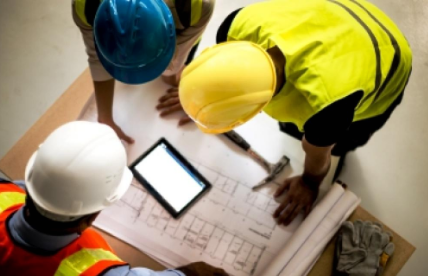
Construction projects involve numerous tasks, timelines, and resources that must be carefully coordinated. Management construction software provides a centralized platform where project managers can plan schedules, assign tasks, and allocate resources efficiently. With real-time updates and automated notifications, teams can easily track progress and address potential delays before they escalate. This structured approach reduces miscommunication and ensures that projects remain on schedule, ultimately saving time and costs.
Enhanced Communication and Collaboration
Effective communication is critical in construction projects, which often involve multiple stakeholders, including architects, engineers, contractors, and clients. Management construction software facilitates seamless collaboration by offering tools such as shared dashboards, instant messaging, and document storage. Team members can access project information from anywhere, ensuring that everyone is aligned with current requirements and changes. This eliminates confusion caused by emails, phone calls, or paper-based documentation, allowing decisions to be made faster and more accurately.
Real-Time Data Access
One of the main advantages of construction management software is real-time access to project data. Managers can monitor progress, track expenses, and evaluate resource utilization instantly. By having accurate and updated information at their fingertips, project leaders can make informed decisions quickly. This capability prevents costly mistakes, reduces downtime, and enhances overall efficiency. Real-time data also improves accountability, as team members’ performance can be tracked and measured effectively.
Automated Reporting and Documentation
Manual reporting and documentation consume significant time and are prone to errors. Management construction software automates these tasks, generating reports, invoices, and compliance documents with minimal effort. Automated systems ensure consistency and accuracy, reducing administrative burdens and allowing project managers to focus on strategic planning and problem-solving. Faster reporting also means stakeholders can stay informed without delays, further improving project transparency.
Resource and Cost Management
Construction projects often face challenges related to resource allocation and budget management. Software tools help managers track material usage, labor hours, and equipment costs, providing insights into potential overspending or underutilization. By optimizing resources, companies can avoid delays and unnecessary expenses. Improved financial oversight ensures projects stay within budget while maintaining quality standards, which is essential for long-term profitability and client satisfaction.
Conclusion
In today’s fast-paced construction industry, efficiency is crucial for success. Management construction software enhances project planning, communication, real-time monitoring, reporting, and resource management. By integrating these functions into a single platform, companies can reduce errors, save time, and maximize productivity. Ultimately, adopting such software allows construction teams to deliver projects on schedule, within budget, and to a higher standard of quality, demonstrating that technology is a vital tool for modern construction management.
Thank you for your sharing. I am worried that I lack creative ideas. It is your article that makes me full of hope. Thank you. But, I have a question, can you help me?
I don’t think the title of your article matches the content lol. Just kidding, mainly because I had some doubts after reading the article.