In the modern trading landscape, access to sophisticated tools can make a significant difference in achieving consistent results. Traders increasingly rely on technology to analyze markets, execute strategies, and manage risk efficiently. An advanced cfd trading tools review is essential for anyone looking to maximize their potential in contract for difference (CFD) trading. These tools not only enhance decision-making but also streamline processes, enabling traders to respond quickly to market fluctuations.
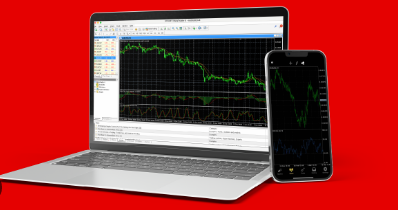
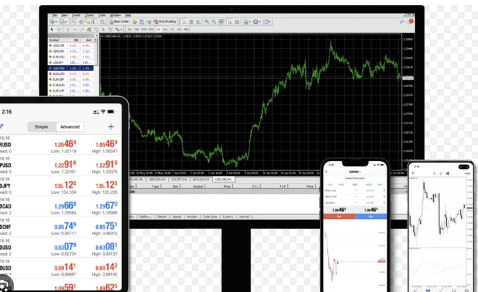
One of the key components of advanced CFD trading tools is their analytical capability. Platforms now offer a wide range of technical indicators, including moving averages, Bollinger Bands, MACD, and RSI, which help traders identify market trends, momentum shifts, and potential entry or exit points. Advanced charting features allow users to customize visual layouts, apply multiple indicators simultaneously, and create automated alerts. For beginners and experienced traders alike, this can dramatically improve market comprehension and timing.
Another crucial aspect is automation. Modern CFD tools support algorithmic trading and automated strategies, enabling traders to execute trades based on pre-set conditions without manual intervention. This feature is particularly useful for managing multiple positions simultaneously or maintaining discipline in volatile markets. Even for traders who prefer manual control, automation can assist in backtesting strategies to evaluate performance before applying them in live conditions.
Risk management is also a central focus of advanced CFD tools. Effective platforms allow traders to set stop-loss and take-profit levels, monitor portfolio exposure, and calculate potential risk/reward scenarios before executing trades. This ensures that trading decisions are systematic and controlled rather than reactive, which is essential for long-term success. The ability to analyze historical data and real-time market conditions simultaneously further enhances strategic planning and decision-making.
In addition, some advanced tools provide news feeds, economic calendars, and sentiment analysis to offer a holistic view of market conditions. Understanding both technical and fundamental factors can be a game-changer, allowing traders to anticipate market movements and adapt their strategies accordingly. Integration of multiple data sources within a single interface reduces the need for constant switching between platforms, saving time and improving efficiency.
Customizability is another highlight. Traders can personalize dashboards, configure alerts, and even design custom indicators to suit their trading style. This flexibility ensures that whether you are a day trader, swing trader, or long-term investor, your CFD tools work in alignment with your strategy and preferences.
In conclusion, an advanced CFD trading tools review demonstrates that the right combination of analytics, automation, risk management, and real-time data can significantly improve trading performance. By leveraging these features, traders gain the ability to analyze markets more effectively, execute strategies with precision, and maintain disciplined control over their trading activities. Investing time in exploring and mastering these tools can provide a substantial edge in today’s competitive trading environment.