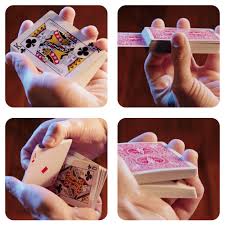
Mentalism is an intriguing blend of psychology, illusion, and performance art that captivates audiences worldwide. Among its most popular applications are card and coin mind tricks, which combine dexterity, observation, and mental acuity. This article explores some frequently asked questions about learning and mastering these mentalism tricks techniques.
What are mentalism tricks?
Mentalism tricks are performances designed to give the impression of extraordinary mental abilities, such as mind reading, prediction, or influencing choices. Unlike traditional magic, which often relies on sleight of hand and visible illusions, mentalism focuses on psychological manipulation, suggestion, and intuition. Card and coin tricks are two of the most accessible and visually impactful forms of mentalism.
Why are card and coin tricks so popular in mentalism?
Card and coin tricks are popular because they offer a tangible and interactive experience for audiences. Cards and coins are everyday objects, making the illusions more relatable and astonishing. Additionally, these tricks allow performers to demonstrate precision, timing, and psychological insight, all of which are hallmarks of skilled mentalists.
How can beginners learn card mentalism tricks?
Beginners can start by focusing on simple yet impressive techniques, such as predicting a selected card or revealing a thought-of card using subtle cues. Practice is essential: mastering card control, shuffling techniques, and misdirection will enhance the effectiveness of these tricks. Numerous online tutorials and structured courses provide step-by-step guidance, emphasizing ethical performance and audience engagement.
Are coin tricks difficult to master?
Coin mentalism requires both hand dexterity and attention to audience perception. While basic coin vanishes or predictions are relatively easy to learn, advanced routines that combine multiple sleights and psychological subtleties demand consistent practice. Many performers recommend breaking down tricks into small components, rehearsing each stage, and gradually increasing complexity.
Can mentalism tricks be used in professional settings?
Yes, mentalism tricks are increasingly used in corporate events, entertainment shows, and even educational settings. They can serve as icebreakers, demonstrate creativity, or illustrate principles of human behavior and decision-making. Professional performers often tailor routines to the audience, combining card and coin tricks with engaging narratives to maximize impact.
What role does psychology play in mentalism?
Psychology is a core component of mentalism. Understanding human perception, memory, and suggestion allows performers to predict or influence choices convincingly. Subtle cues, verbal patterns, and audience observation enhance the effectiveness of card and coin mind tricks.
Are there statistics on the popularity of mentalism?
Recent surveys of live entertainment trends show that mentalism continues to attract audiences globally. Interactive illusions like card and coin tricks often achieve higher audience engagement compared to traditional magic acts. Event organizers report that performances involving mentalism increase overall attendee satisfaction and create memorable experiences.
How can one improve at mentalism tricks?
Improvement comes from dedicated practice, studying psychological principles, and observing skilled performers. Recording practice sessions, analyzing audience reactions, and experimenting with different presentation styles can significantly enhance performance quality.
In conclusion, mentalism tricks with cards and coins offer a unique and professional avenue for entertainment and skill development. By combining psychological insight, precise technique, and consistent practice, anyone can develop impressive mentalism abilities and captivate their audience with mind-blowing performances.